Freely in Hope
Freely in Hope is an international, Christian nonprofit dedicated to equipping survivors and advocates to lead in ending the cycle of sexual violence. Nikole Lim founded the nonprofit and serves as international director.
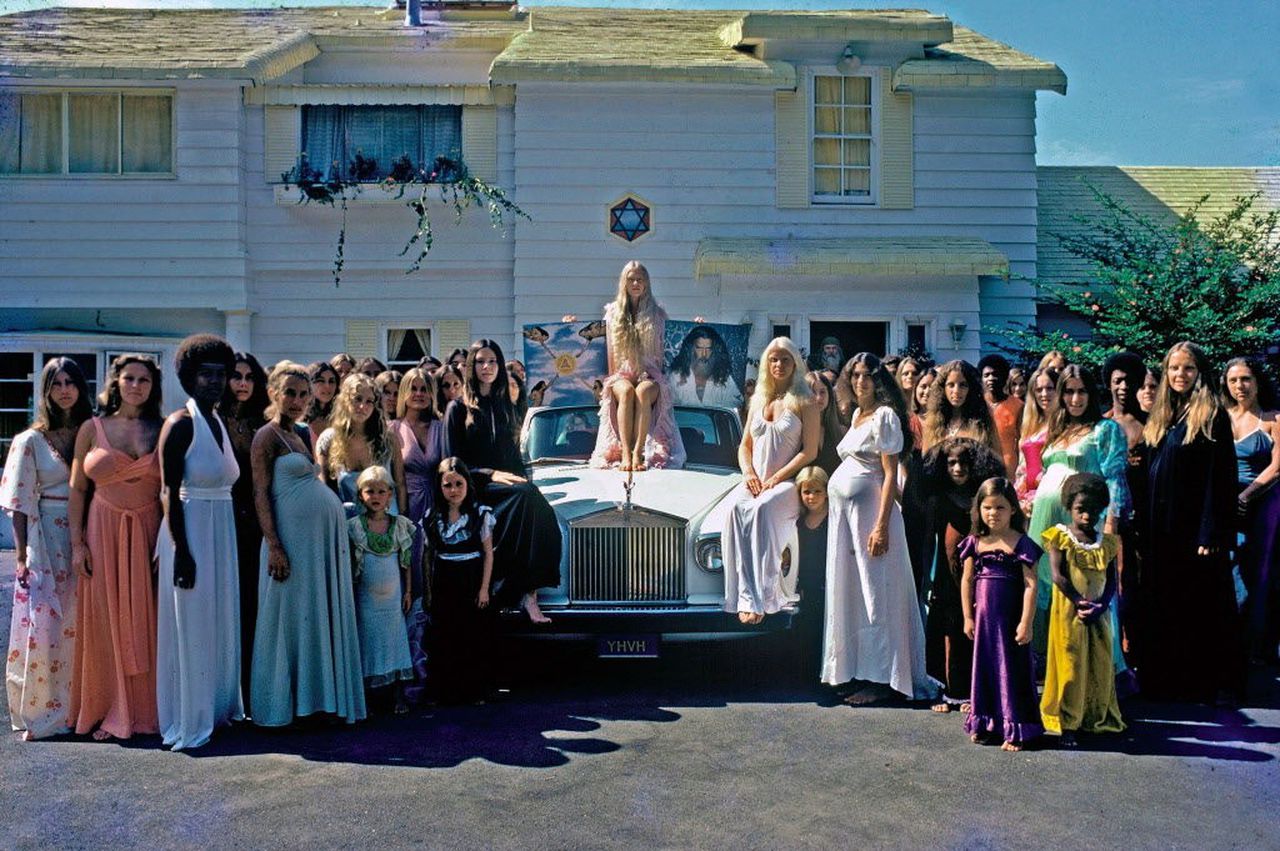
This edition of ReligionLink explores reporting, analysis and commentary around the term “cult,” helping you better understand the word, its uses, and how to report thoughtfully, carefully and sensitively on the subject.
Amanda Montell is a a writer, linguist, and podcast host living in Los Angeles. She is the author of the book Cultish: The Language of Fanaticism and co-host of the Spotify Top 20 podcast, “Sounds like a cult.”
Lindsay Hansen Park is host of the “Year of Polygamy” podcast and executive director of the Sunstone Education Foundation, which is a platform to discuss the diverse range of Mormon belief and practice through scholarship, art, short fiction and poetry.
David G. Bromley is a professor of sociology at Virginia Commonwealth University. He specializes in sociology of religion, with a particular emphasis on the study of New Religious Movements and the anti-cult movement. He is co-editor of Cults, Religion, and Violence.
Angela Denker, a veteran journalist and Lutheran pastor, is author of Red State Christians: A Journey Into White Christian Nationalism and the Wreckage It Leaves Behind.
Carmel Chiswick is professor of economics at George Washington University. Her research focuses on economic development and growth, economic history and economics of religion.
Rabbi Danya Ruttenberg is scholar-in-residence at the National Council of Jewish Women. She is also an award-winning author and writer and was named by Newsweek and The Daily Beast as one of 10 “rabbis to watch.”
The latest edition of ReligionLink includes resources and experts to help you report on this new “neopaganism,” what some are calling a broader “re-paganization of religion.”