
James P. Ziliak

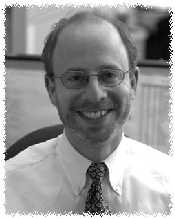
James P. Ziliak is director of the Center for Poverty Research at the University of Kentucky, where he also holds the Gatton Endowed Chair in Microeconomics. He was the lead researcher on a 2008 national study of hunger among the nation’s senior citizens.
Continue reading →

s

Promoting your work

How can a religion writer get more religion news stories into the paper or on air? By Michael Paulson The Boston Globe* In my experience, editors are always hungry for good stories about any subject, and religion is no exception. To get more religion stories into the paper, apply the same rigorous reporting and writing […]

Continue reading →

Smith

Working the beat

Do religion writers always write stories for religious holidays? New clergy? Anniversaries? By Melanie Smith The Decatur Daily The routine events of religious life are a challenge to the religion reporter. Is there anything newsworthy about another Easter or Rosh Hashanah or Ramadan? Do readers want to know how their neighbors observe Lent or Divali? […]

Continue reading →

Updated on . Posted on

Come to the Table

Come to the Table is a project of the Rural Life Committee of the North Carolina Council of Churches that links food, faith and farms. Scott Marlow is executive director.

Continue reading →

John Mellor

John Mellor is an agricultural economist and world hunger expert based in Washington, D.C. He received the Presidential Award from Ronald Reagan for his work to reduce hunger in the world.

Continue reading →

Updated on . Posted on

Gary W. Fick

Gary W. Fick is professor emeritus of agronomy at Cornell University and author of Food, Farming and Faith.

Continue reading →

Joel Berg

Joel Berg is author of All You Can Eat: How Hungry is America? and is executive director of the New York City Coalition Against Hunger. His anti-hunger work includes experience with faith-based groups.

Continue reading →

Updated on . Posted on

The Baltimore Food & Faith Project

The Baltimore Food & Faith Project is concerned with food issues. It was begun in 2007 by the Johns Hopkins Center for a Livable Future. Darriel Harris is the project officer.

Continue reading →